
A practical guide for traders, investors, and infrastructure players
2026 is highly likely to become not a year of hype, but a year of structural change. The crypto market is entering a maturation phase: protocols are completing long-term technical roadmaps, while governments are formalizing the rules of the game. For traders, this means one thing: volatility will no longer be random, but event-driven. Those who understand what exactly is changing and when will gain a systematic advantage.
Below are the key events of 2026, with a focus on real market impact, not marketing promises.
1. Ethereum: from scalability to architectural maturity
Ethereum has firmly established a model of two hard forks per year, and in 2026 the focus shifts from L2 expansion to the fundamental properties of L1: decentralization, censorship resistance, and systemic risk reduction.
H1 2026 – Glamsterdam upgrade
Key technology: ePBS (Enshrined Proposer-Builder Separation)
A protocol-level separation of roles between proposer and builder, rather than an external solution (as is currently the case with MEV-Boost).
What this actually changes:
- weakens the control of large MEV builders over transaction ordering;
- reduces censorship risks and cartel-like behavior;
- decreases network dependence on a small number of infrastructure providers.
Why this matters for traders:
- lower risk of block-level manipulation;
- increased trust from funds and custodial players;
- more stable DeFi protocol performance under high load.
Practical takeaway: Glamsterdam is not a pump, but a foundation for institutional capital. The effect is medium-term, but durable.
H2 2026 – Hegota upgrade
Key technology: Verkle Trees (The Verge phase)
Ethereum takes a decisive step toward “lightweight” and nearly stateless nodes.
Facts:
- node storage requirements are reduced to ~10% of current levels;
- new node synchronization becomes orders of magnitude faster;
- geographic and social decentralization increases.
Why this matters for traders:
- more independent validators mean lower systemic risk;
- improved network resilience during periods of extreme volatility;
- long-term strengthening of ETH’s value narrative as a base settlement layer.
Important: talk about “nodes on smartphones” is a long-term vision, but the economic effect begins already in 2026.
2. Solana: a moment of truth for L1 competition
If 2024–2025 were years of trust recovery for Solana, then 2026 is the real stress test.
Full launch of Firedancer
Firedancer is an independent validator client by Jump Crypto, written from scratch.
Confirmed advantages:
- drastically reduces the probability of network outages;
- increases client software diversity (a key reliability factor);
- potential throughput of hundreds of thousands of TPS (not the marketing 1 million).
Market implications:
- Solana becomes the de facto standard for:
- high-frequency trading,
- on-chain order books,
- DePIN and real-time applications.
- competition intensifies not only with L1s, but with Ethereum’s L2 ecosystem.
For traders:
- SOL evolves into an infrastructure asset, not just a “fast coin”;
- stronger correlation between SOL and on-chain activity rather than the broader market;
- increased price sensitivity to network metrics.
3. The United States: from regulatory chaos to predictable rules
2026 will almost certainly be a turning point for the U.S. regulatory environment.
Clarification of SEC and CFTC jurisdictions
Expected reality:
- BTC and ETH are definitively classified as commodities under the CFTC;
- regulatory uncertainty for exchanges and derivatives decreases;
- launch of ETFs, futures, and options on crypto assets becomes easier.
Taxes and payments (Genius Act and related initiatives)
Measures under discussion:
- exemption of small crypto payments ($5–10) from capital gains tax;
- legalization of stablecoins as a payment instrument.
Practical impact:
- growth in real stablecoin transaction volume;
- strengthening of infrastructure projects rather than speculative tokens;
- long-term support for market liquidity.
4. European Union: MiCA without a transition period
By July 1, 2026, MiCA comes into force in full.
What this means in practice
- licensing becomes mandatory for all crypto companies in the EU;
- blocking of unlicensed platforms;
- strict requirements for reserves, reporting, and AML procedures.
Market effect:
- short term – reduced competition and fewer choices for users;
- medium term – inflow of conservative capital;
- long term – institutionalization of the European market.
For traders, this means: fewer “gray” opportunities, but more capital and liquidity.
Conclusion: how to use 2026 strategically
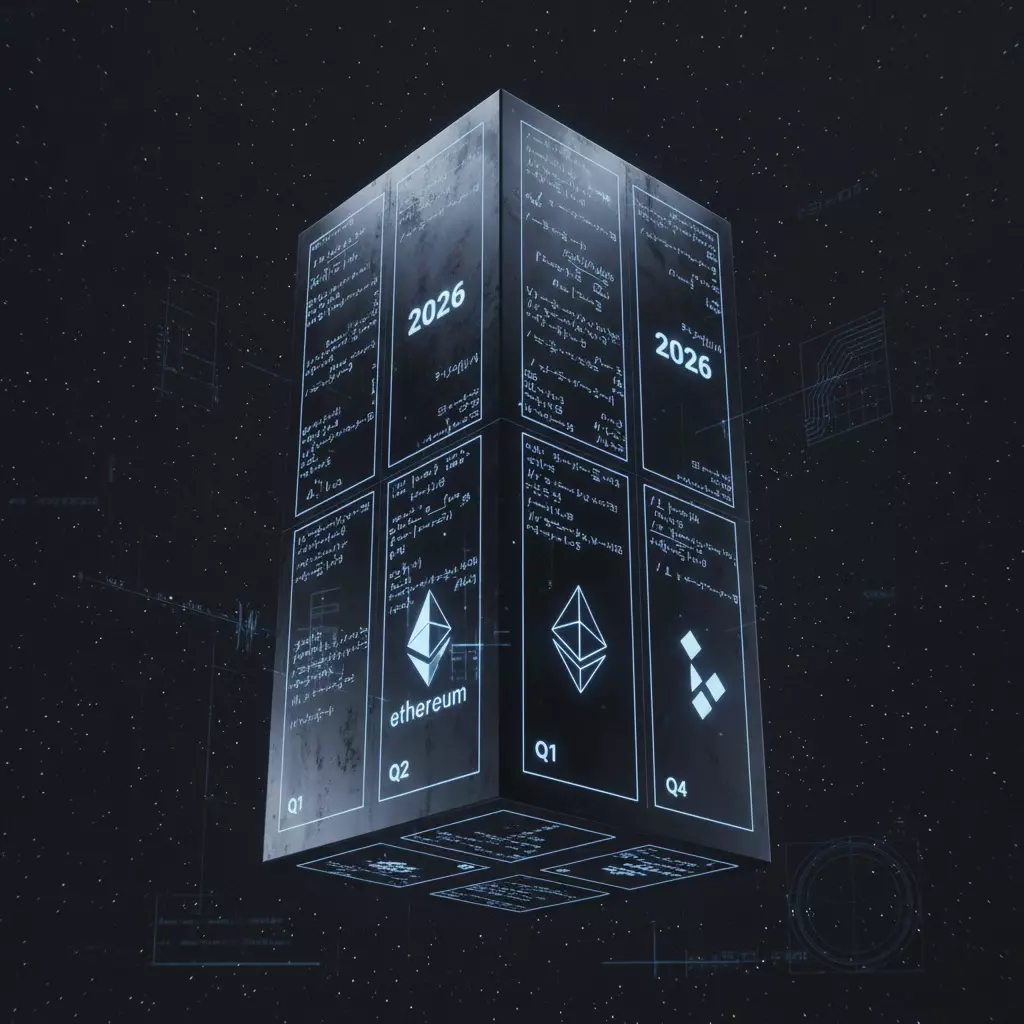
Key dates and effects
| Period | Event | Market significance |
|---|---|---|
| Q1 | Glamsterdam (ETH) | Strengthening decentralization |
| June–July | Full MiCA rollout | Capital inflow into the EU |
| Q3 | Firedancer (SOL) | Growth in on-chain activity |
| Q4 | Hegota (ETH) | Lower barriers for node operation |
The main takeaway for traders
2026 is the year when infrastructure becomes more important than narrative. Winners will not be the loudest projects, but those that:
- are integrated into regulation,
- provide real throughput,
- reduce systemic risks.
In short: watch upgrades and laws, not promises. They are what will move the market.
Summarize this blog post with: