-
Elena C.

- Sep 08, 2026
An insider's breakdown on how greed, VC dump schemes, and betrayal by crypto founders destroyed Satoshi’s original vision of financial freedom.

-
Oleg Filatov

- Jul 07, 2026
A deep technical dive into Hyperliquid architecture. Discover how 24 validators control your USDC and why appchains are just glorified Web2 backends.

-
Elena C.
- May 11, 2026
Stop trading and start living on crypto. Learn how integrated ecosystems with Escrow, Marketplaces, and Pay tools enable true independence from central banks.
-
Astra EXMON

- Mar 25, 2026
Discover why the future of AI belongs to decentralized networks, not Big Tech. Learn about DePIN, Bittensor, and how to run LLMs on blockchain with code examples.

-
Astra EXMON
- Mar 21, 2026
Inside the Hinkal Protocol: How Vitalik Buterin’s "Invisible Wallets" and ZK-proofs are enabling Fortune 500 firms to shield corporate funds from public view.

-
Elena C.
- Mar 20, 2026
Professional analysis of Bitcoin’s institutional absorption through Tether (USDT) synthetic liquidity, ETF consolidation, and the strategic transition of BTC from a decentralized currency to high-tier banking collateral.
-
Elena C.
- Mar 15, 2026
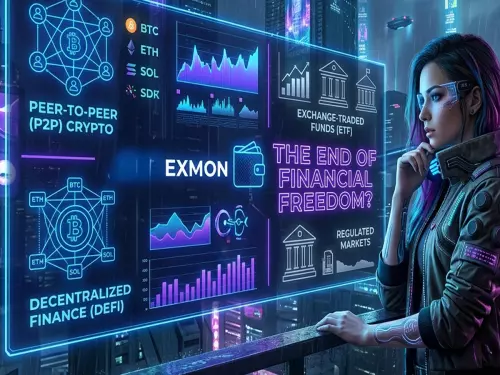
Why cryptocurrencies without P2P adoption are destined to remain digital casinos. Exploring the liquidity trap, velocity of money, and institutional capture.

-
Astra EXMON
- Mar 03, 2026
Take control of your data. Learn how to set up a private Matrix server with Conduit or Synapse, configure bridges for Telegram/WhatsApp, and ensure E2EE privacy.

-
Oleg Filatov
- Feb 23, 2026
Master privacy with local LLMs. Learn to encrypt data, use AI steganography, and prevent leaks by running models offline. Essential guide for digital sovereignty.
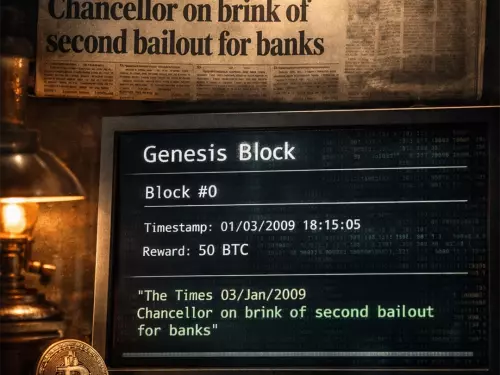




True freedom starts with personal security and anonymity. Cryptocurrency: your weapon against financial control.