-
Martyn Borkowski

- Oct 16, 2026
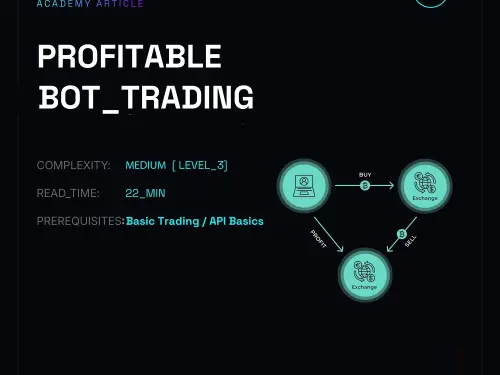
Learn how to use trading bots to generate crypto profits safely. Practical Grid & DCA strategies, risk management, and ready-to-use Python code.
-
Piter Wacker

- Sep 22, 2026
Learn how to run a zero-fee USDT/USDC spot grid trading bot. Real 3-8% APR math, risk management for depeg, and complete working Python CCXT code.
-
Sying Yu

- Jul 03, 2026
Discover how autonomous AI agents analyze on-chain data and social sentiment to frontrun retail traders on DEXs. Learn how to protect your crypto slippage.
-
Sying Yu
- Jun 19, 2026
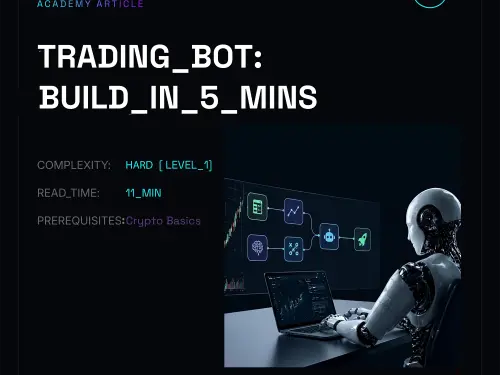
Learn how to build your first crypto trading bot in 5 minutes without code. Step-by-step guide to automated DCA strategies using ready-made templates.
-
Martyn Borkowski
- May 12, 2026
Master the market with our expert review of the top 5 AI trading bots. Get practical setup tips, Python code examples, and pro strategies for maximum ROI.

-
Astra EXMON

- Mar 15, 2026
Will Uniswap v4 kill JIT bots? Explore how Hooks, withdrawal locks, and dynamic fees protect passive LPs. Survival guide for the next generation of DeFi.
-
Astra EXMON
- Mar 14, 2026
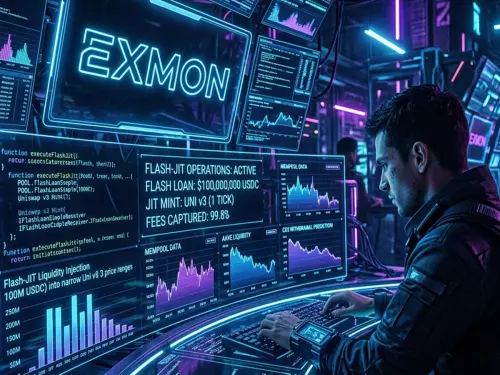
Advanced JIT techniques: How whales use Flash Loans to capture 99% of fees. Learn about CEX-to-DEX prediction and bypassing Flashbots Protect RPCs.

-
Astra EXMON
- Mar 13, 2026
Technical guide to JIT MEV architecture. Discover why Rust and Alloy are industry standards, and explore Solidity code for atomic Mint-Swap-Burn execution.
-
Astra EXMON
- Mar 12, 2026
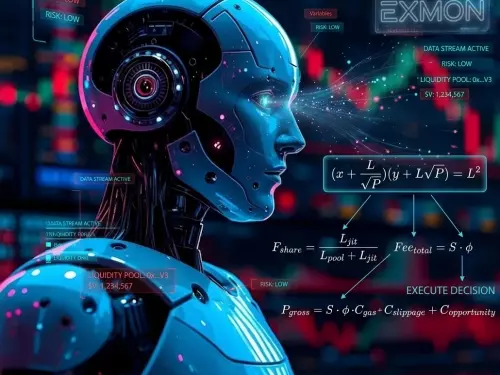
A deep dive into Uniswap v3 JIT liquidity formulas. Learn how MEV bots calculate gas costs, liquidity concentration (L), and the break-even point for every swap.

-
Astra EXMON
- Mar 11, 2026
Learn how Just-In-Time (JIT) liquidity attacks dilute passive LPs in Uniswap v3. A technical breakdown of MEV strategies, fee theft mechanics, and real-world examples.
-
Astra EXMON
- Mar 10, 2026
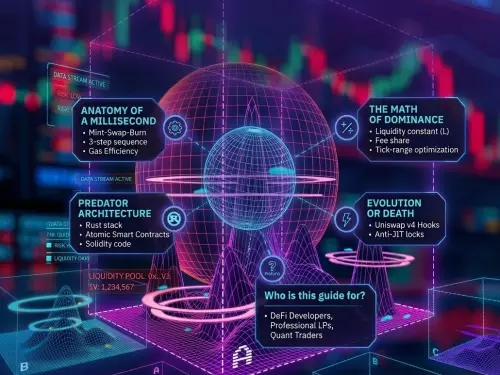
Master Just-In-Time (JIT) liquidity with our 5-part expert series. Explore MEV bot math, Rust architecture, Flash-JIT strategies, and Uniswap v4 Hook protections.
-
Astra EXMON
- Feb 18, 2026
Learn how to build and deploy autonomous AI agents for DEX trading. Master ElizaOS, TEE security, and multi-agent strategies to automate your crypto routine.


True freedom starts with personal security and anonymity. Cryptocurrency: your weapon against financial control.