-
Elena C.

- Sep 08, 2026
An insider's breakdown on how greed, VC dump schemes, and betrayal by crypto founders destroyed Satoshi’s original vision of financial freedom.
-
Astra EXMON

- Sep 07, 2026
Liquid Network lost $320M in BTC. Learn why sidechains and bridges get hacked while Bitcoin L1 cryptographic security remains unbreakable.

-
Oleg Filatov

- May 22, 2026
Learn how upgradeable smart contracts and proxy patterns function as admin backdoors to alter DeFi protocol logic and drain user funds.
-
Sying Yu

- Apr 27, 2026
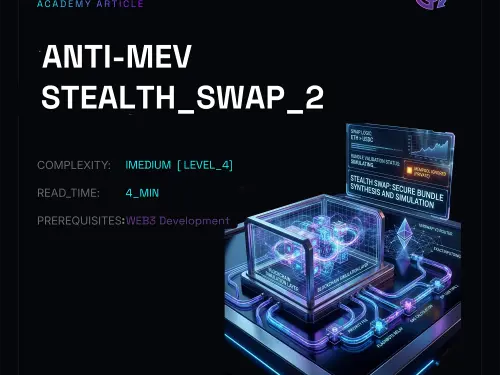
Create and test stealth bundles to prevent MEV and protect your swaps — practical, privacy-focused guide

-
Oleg Filatov
- Apr 06, 2026
Stop switching networks. Learn how Chain Abstraction and Intents make blockchain invisible in 2026. Manage all your crypto assets as a single balance.
-
Astra EXMON
- Mar 25, 2026
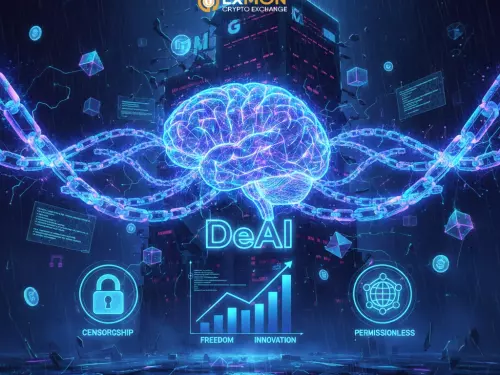
Discover why the future of AI belongs to decentralized networks, not Big Tech. Learn about DePIN, Bittensor, and how to run LLMs on blockchain with code examples.

-
Oleg Filatov
- Mar 23, 2026
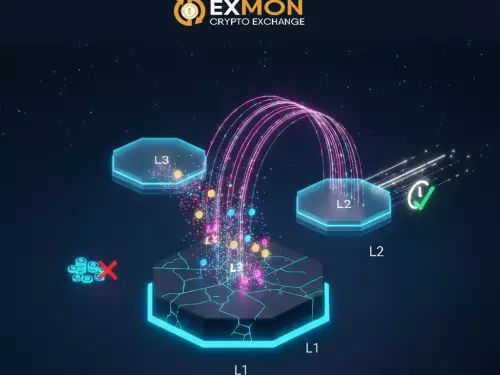
Deep dive into cross-chain bridge mechanisms: Lock-and-Mint, ZK-proofs, and MEV. Learn about critical security risks and the future of Web3 interoperability.

-
Astra EXMON
- Mar 21, 2026
Inside the Hinkal Protocol: How Vitalik Buterin’s "Invisible Wallets" and ZK-proofs are enabling Fortune 500 firms to shield corporate funds from public view.

-
Astra EXMON
- Feb 02, 2026
A comprehensive guide to the software, API, and Python libraries used by crypto hedge funds for on-chain intelligence and stealth execution.
-
Oleg Filatov
- Oct 22, 2025
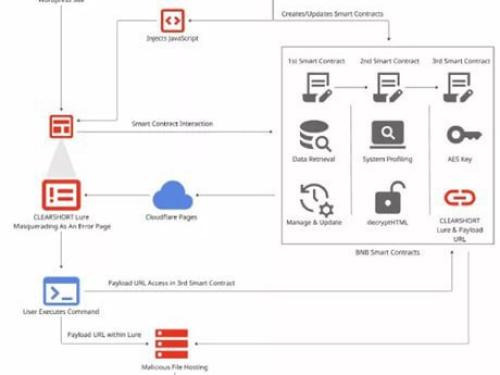
Blockchain's immutability is weaponized: Learn about "EtherHiding," where UNC5142 hosts malware on BNB Smart Chain smart contracts. Discover why traditional security fails and how to secure decentralized networks.

-
Oleg Filatov
- Oct 20, 2025
A Sybil attack lets one adversary create countless fake identities, distorting market signals & faking liquidity on DEXs. Learn how this threat enables wash trading, governance takeover, and price manipulation, and discover defense-in-depth strategies.


True freedom starts with personal security and anonymity. Cryptocurrency: your weapon against financial control.